
Maine · Interpreting needs assessment
Transforming Interpreting Maine (TIME)
After the October 2023 Lewiston tragedy exposed gaps in communication access, Maine commissioned a statewide review of ASL interpreting. Innivee Strategies led the needs assessment.
The situationA serious interpreter shortage, most acute in rural and northern Maine, with licensure rules that kept qualified people out of the profession.
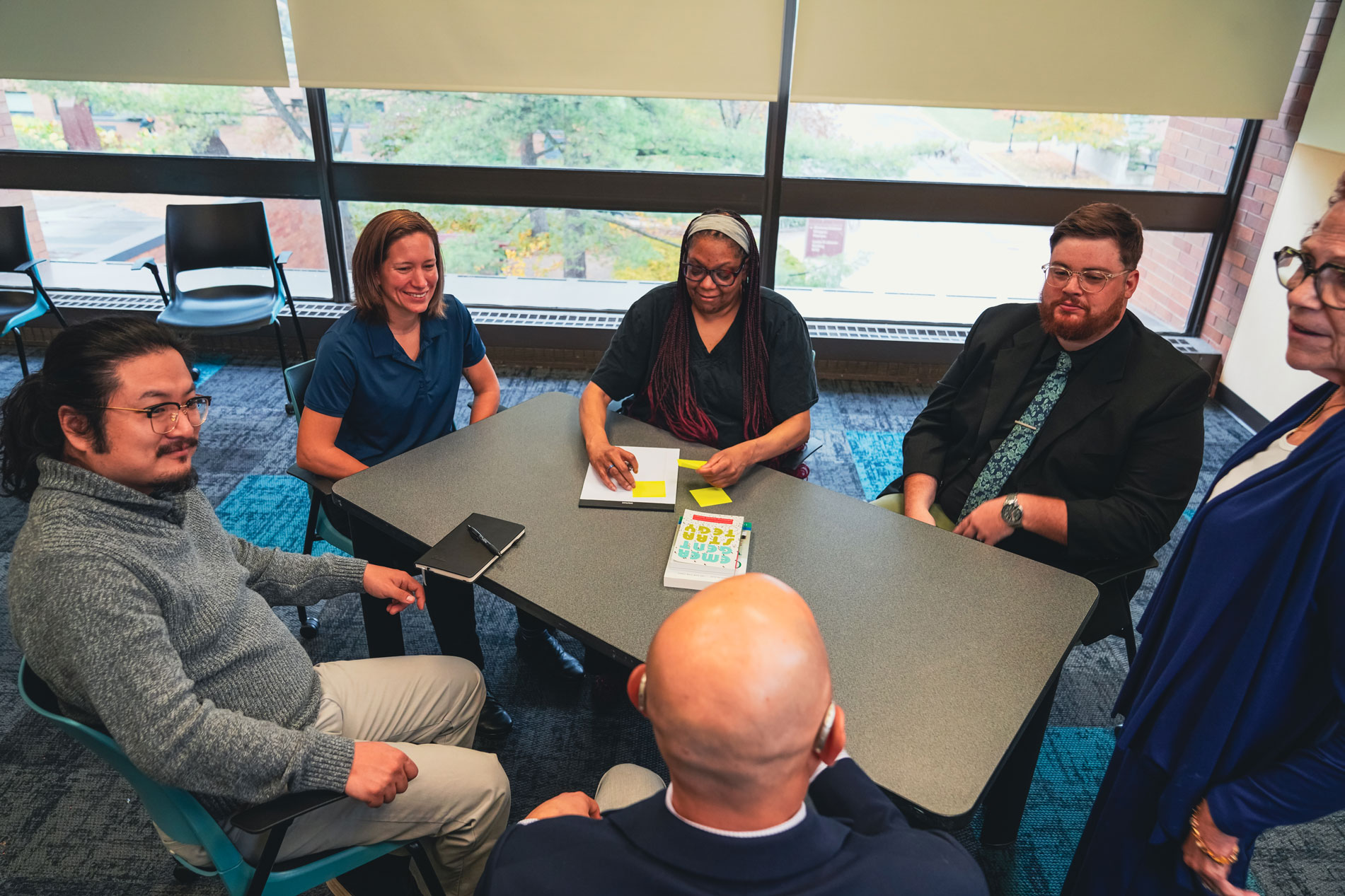
What we didResearched peer-state standards, then gathered community input through an ASL and English survey, ASL-led focus groups, and interviews. A steering committee of state agencies and community organizations continues to guide the work to this day.
What the community told us
- 2024Research, community visits, survey, focus groups, and interviews
- 2025Final report and state response
- 2026LD 2087 signed into law
Recommendations
One home for licensure
Licensure steps and the interpreter registry in one place, in ASL and English.
A path for Deaf interpreters
A credential that recognizes cultural and linguistic expertise without a traditional education path.
Mentorship for working interpreters
Structured mentorship that pays experienced interpreters to guide others.
Community-led oversight
A standing steering committee with the authority to monitor progress and report each year.
From report to law
Maine enacted LD 2087 as emergency legislation, citing the TIME report. The law:
- Allows communication assistance during declared emergencies without standard licensure
- Extends the conditional license from four to five years, with a sixth year for extreme hardship
- Accepts an associate degree or higher in any field toward licensure
The Maine Department of Labor is also exploring a Registered Apprenticeship for ASL interpreters.